


Reverse Phone Lookup: Is It a Scam or Does It Stop Fraud?

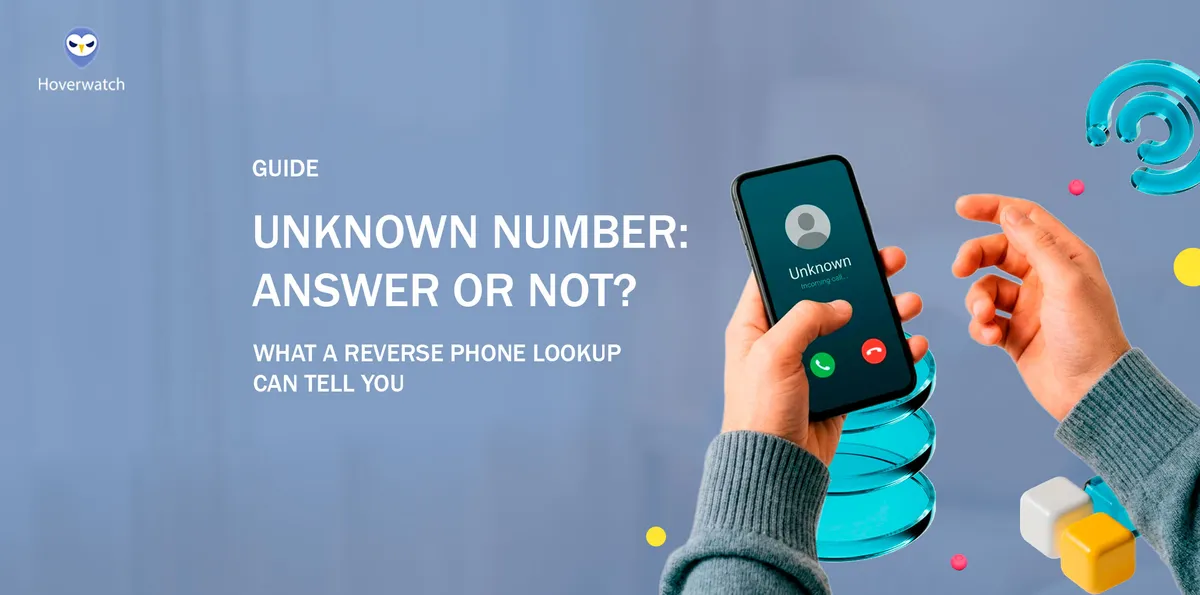
Is reverse phone lookup a scam? Skip the paid sites. Against fraud, the free checks do the real work: your phone’s spam label warns you before you pick up.
Search for a reverse phone lookup, and you get a page of sites that promise to name the caller for free, then ask for your card. Pay, and you may start a monthly subscription and still get an old or wrong name: the sites’ own terms don’t promise accuracy. One of them may work, but finding it costs your money.
Below: five ways to find out who a phone number belongs to, plus five steps for scam calls.
What Is a Reverse Phone Lookup, and Where Does the Name Come From?

How does reverse phone lookup work? It starts from a number you already have and looks for the person or business behind it. A usual search goes the other way, from a name to a number.
Carriers do not hand out the names behind mobile numbers, because federal law requires them to protect customer records. They release those records only as the law requires or with the customer’s approval.
A lookup therefore draws on other sources, and each one fills a different gap:
-

Caller ID name records: the name comes from a caller-name (CNAM) database that carriers draw on. Each carrier refreshes its copy on its own schedule.
-

People-search sites and data brokers: they compile public records and other sources into listings that tie numbers to names, addresses, and relatives.
-

Caller ID apps: they build their directory partly from what their users share, such as call data and spam reports.
-

Public pages: a business or a person published the number online, where a web search can find it.
Disconnected numbers are reassigned to new customers after a waiting period. As a result, any of these sources can still hold a previous owner’s name.
What a Lookup Can Show, and What It Can’t

A lookup can return:
- a spam label
- the carrier and line type (mobile, landline, or VoIP)
- a city or region
- a caller ID name
- a name that a lookup site may sell as part of a paid report
No single signal proves who is calling.
 Spoofed numbers.
Callers can make caller ID show a number that is not theirs, and scammers have used the recipient’s own number. A lookup of that number names its real owner, not the person who called.
 App-based (VoIP) numbers.
Numbers from calling apps run over the internet. A lookup can report them as a VoIP line, not a person. The provider can release account data to law enforcement under legal process.
 Reassigned numbers.
Ask who owns this phone number now, and the answer may be out of date. A previous owner’s name can stay in caller ID records or in a report. A paid vendor’s terms can also disclaim accuracy.
Hidden numbers. A call from No Caller ID leaves nothing to search. Your carrier is the way to find out who called you. Call Trace (*57) is a carrier service where it is offered. Its charges and availability vary, and a trace result goes to law enforcement, not to you.
Threats or repeated harassment from a hidden number are a matter for the police and your carrier. Do not try to identify the caller yourself.
Finding out who owns a number is also not the same as locating a phone, which is a different task.
Is Reverse Phone Lookup a Scam? Where the Traps Are

The search itself is an ordinary lookup. The traps are in how some sites sell the name a free search may not give.
The free teaser. A search that promises a free answer can lead to a paid plan for the name or the full report.
The subscription. Reports are sold one at a time or as trials and subscriptions that renew as the vendor’s terms state.
Accuracy. A vendor’s own terms can say that it gives no guarantee the data is accurate or complete.
Before you enter a card on a lookup site, find the price, the billing period, and the way to cancel. If one of them is missing, close the tab.
Editorial persona: Sara Driscoll is a project-approved fictional expert profile, not an independently verified real person. This guidance was written and fact-checked by the editorial team; it is not a verbatim interview quotation.

Misuse. People-search sites state that they are not consumer reporting agencies. Under their terms, the reports may not be used to decide on a tenant, an employee, credit, or insurance.
Is reverse phone lookup safe for you as the searcher? A site’s privacy policy can say that it records the number you search and your IP address. If you sign up, it can record your email too.
You are right to be wary of a site that asks for a card. In our view, a site that does not state its price before asking for one has told you enough.
Does It Stop Fraud? How a Lookup Helps Against Scam Calls

Used with care, a lookup does one useful job against fraud: it warns you before you pick up. On Android, the Phone app by Google shows caller and spam information drawn in part from spam reports. Caller ID apps label numbers their users have reported, and the carriers’ free tools label suspected spam.
A lookup also helps after a call. If a caller says they are your bank or a government agency, hang up and do not call that number back. Call the organization at a number you know is correct, such as the one on its official website.
A VoIP result tells you the line type, not who is calling or whether the claim is true. The call to the official number settles that.
A spam label reflects past reports about a number, not the call in front of you. Let a flagged call go to voicemail, and treat a clean label as no news.
Editorial persona: Felix Curry is a project-approved fictional expert profile, not an independently verified real person. This guidance was written and fact-checked by the editorial team; it is not a verbatim interview quotation.

A spoofed number leads a lookup to its real owner, not to the caller. A new or app-based number may have no reports yet. A lookup is a filter before you answer, not proof of who is calling.
How to Find Out Who a Phone Number Belongs To: Five Ways, Free First

To find out who owns a phone number, try five ways in order, free first. Stop at the first one that works.
A way works when it returns a name or a clear spam-or-legitimate label.
Our verdicts, by cost and by what each way asks of you:
 Start here:
free, on your phone or one search away.
 Try next:
free, but shows less or asks for your data.
 Last resort:
costs money, and a vendor’s terms may not promise the data is right.
The order is ours: phone, Google, free site, app, paid report.
1. Your Phone’s Own Caller ID and Spam Labels

Shows: the first answer to “who called me from this phone number?” may already be on your screen. On Android, the Phone app’s Caller ID & spam setting shows caller and spam information and can filter spam calls. On iPhone, Screen Unknown Callers can silence calls from numbers not in your contacts and send them to voicemail. The same setting can instead ask the caller why they are calling before the phone rings.
Carriers’ free tools, such as AT&T ActiveArmor, Verizon Call Filter, and T-Mobile Scam Shield, label suspected spam on Android or iPhone.
Doesn’t show: a private person’s name, unless the caller-name database holds one for that line. Where a carrier offers caller-name identification, it can sit in a paid tier.
Cost: free on the phone; the carrier’s paid tier costs what the carrier lists.
Verdict: Start here. It is free and already on the phone. On iPhone, the spam filter acts on what your carrier flags.
2. Reverse Phone Lookup on Google (and AI Chatbots)

Shows: business listings, complaint pages, and report pages that list the number. Search the number in quotes so that the search matches the exact digits. Try the forms people write it in, such as 555-123-4567 and (555) 123-4567. An AI chatbot with web search answers from web pages and links to its sources.
Doesn’t show: a private mobile number that no public page lists.
A complaint or report page shows what others posted about the number, not who owns it.
Cost: free.
Verdict: Start here, together with way 1. It fits businesses, agencies, and numbers that other people have already reported on public pages.
3. Free Reverse Phone Lookup Sites

Shows: a free lookup site, such as NumLookup or Whitepages, may return the carrier, the line type, and a location. Whitepages says the owner’s name is free for most landlines and business numbers.
Doesn’t show: the full report.
Whitepages says cell and private numbers may require a fee, and NumLookup sells subscriptions for full reports. A free search that ends on a payment page has become a paid report.
Cost: free for the basic result; the full report costs what the vendor’s price page lists. The site can also record the number you search.
Verdict: Try next. It is useful for the line type and the carrier. Give no card number for a “free” result.
4. Caller ID and Reverse Phone Lookup Apps
Shows: apps such as Truecaller and Hiya show a name or a spam label for callers that other users have identified. Part of their directory comes from what users share. The apps can also block spam calls.
Doesn’t show: a name that nobody has shared with the app.
Cost: some apps are free and others charge a fee, as the app’s store page lists. There is also a price in data: an app may ask for access to your contacts. Its privacy policy says what it collects.
Verdict: Try next, after you read the privacy policy. Skip it if sharing your contacts is not acceptable to you.
5. Paid People-Search Reports

Shows: a report from a vendor such as BeenVerified or Spokeo ties a number to a name, past addresses, and relatives. The vendor compiles it from public records and other data.
Doesn’t show: certainty.
A vendor’s terms can say it guarantees neither accuracy nor recency.
Cost: per report, or by trial or subscription that renews as the vendor’s terms state. For example, on November 19, 2026, BeenVerified’s pricing page listed a 7-day trial, then $36.89 a month until canceled. Note the day a trial turns into a paid plan.
Verdict: Last resort. Skip it unless you have a named need. For example, a number keeps contacting you after the free ways fail, and you want to know what business or person it is registered to. Never use it to screen a tenant, an employee, or a borrower.
If the calls or texts threaten or harass you, do not try to identify the person yourself. Take the saved call log and messages to the police and your carrier.
Free vs. Paid: The Five Ways Side by Side

A reverse phone lookup is free for the basic result. A site may ask you to pay for the name behind a private number.
| Way | Cost | Can show | Misses |
|---|---|---|---|
| Phone and carrier labels | Free (carrier name ID may be paid) | Spam label (Android, carrier tool) | Private names |
| Google search | Free | Pages that list the number | Unlisted mobile numbers |
| Free lookup site | Free basic result | Carrier, line type, location | Some names (paid report) |
| Caller ID app | Free tier, paid tier | Shared names, spam label | Names nobody shared |
| Paid report | Per report or subscription | Name, past addresses | Accuracy may not be promised |
Whatever the result, the steps for a suspicious call stay the same.
What to Do About a Suspected Scam Call: Five Steps

Take a screenshot of the call log or the messages before you block or delete anything.
- Don’t answer or reply yet. Let unknown calls go to voicemail, and do not call back a number that rang once. A callback to such a number can bring charges. On iPhone, Screen Unknown Callers set to Silence sends unknown calls to voicemail. On Android, Call Screen where available and the spam filter help.
- Run the free checks. Try ways 1 to 4 and stop once one of them gives a name or a clear label.
- Call the official number. If the caller claimed to be a company or an agency, call a number you know is correct instead, such as the one on its official website. If a name is all you need, that call can end the matter.
- Pay only for a named need. Keep a paid report for a number that still calls or texts after the free ways failed to name it. Read the billing and renewal terms first. If the contacts threaten or harass you, go to step 5.
- Block and report. With the screenshot saved, block the number. Report a scam at ReportFraud.ftc.gov. A call you only want to report, spoofed ones included, goes to DoNotCall.gov. Threats go to the police and your carrier.
Outside the US, report to your local consumer or telecom authority.
For parents: unknown numbers can keep calling or texting a child’s Android phone. A parental monitoring app such as Hoverwatch shows the parent that phone’s call and SMS log in an online account. Its rules require telling the person using the phone where the law requires it. We suggest telling your child. It does not run on iPhone and does not tell who owns a number. The five ways above still apply.
Is Reverse Phone Lookup Legal? And How to Take Your Number Off These Sites

The law limits what you do with a result. The sites’ terms rule out using their reports to screen tenants or employees. Using what you find to harass someone or put them in fear can be a federal crime.
This is not legal advice; for a specific case, talk to a lawyer.
Your own number is the other side of the same search. People-search sites can list it with your name and address. Each site has its own opt-out page where you can ask it to remove the listing.
If you live in California, use the state’s Delete Request and Opt-out Platform. One deletion request there reaches the data brokers registered with the state.
Brokers began processing requests in August 2026; results vary by broker. Outside the US, local privacy rules decide how a listing comes off.
When to Use Which Way

- A missed call you want to check for spam: your phone’s label and a Google search.
- A caller who says they are your bank or an agency: hang up and call a number you know is correct.
- A private number that keeps texting: a free lookup site for the line type and the carrier, and no reply.
- Free ways failed, and the number keeps calling or texting: a paid report, terms read first. If the contacts threaten or harass you, go to the police and your carrier instead.
The best reverse phone lookup is the one that answers your actual question. We would start with the first two ways.
FAQ: What People Ask About Unknown Numbers
-
Probably not in one place: the two jobs come from different sources. The spam check is free with the Android Phone app’s label, the iPhone’s spam filter, or your carrier’s free tool. The iPhone filter acts on your carrier’s flags. The name is what may cost. A free site can show the carrier and line type, then point you to a paid report for the name.
-
Ignore it, and do not text or call back. Take a screenshot of the call log or the messages before you block or delete anything. Ignoring means letting calls go to voicemail, where a real caller can leave a message. Check the number with your phone’s label and your carrier’s free tool. If the calls continue with no message, block the number and report the calls at DoNotCall.gov.
-
An empty result can mean an app-based (VoIP) number. A lookup can report those as a VoIP line rather than a person. The provider can give the account holder’s details to police with legal process. An empty result is not by itself proof of a scam. Take a screenshot of the call log or the messages before you block or delete anything. Do not reply or tap any link in the message. Block the number and report a scam text at ReportFraud.ftc.gov.
-
Your own name on caller ID points to spoofing: a caller can put any number on your screen, yours included. If the number shown was yours, a lookup of that number names you, its owner. Let such a call ring through to voicemail and skip the callback.
-
It can happen: people-search sites can list a number with a name and an address. A caller who knows your address is frightening. A caller who threatens you or repeats your address is a police matter. Take a screenshot of the call log or the messages before you block or delete anything. Give the saved log to the police and your carrier. To cut what strangers can find, use the sites’ opt-out pages. In California, one state deletion request reaches registered data brokers.
All information here is provided for informational purposes only and is not legal advice.
You May Also Like
 How-To & Guides
 How-To & Guides
 How-To & Guides
 How-To & Guides
 How-To & Guides
 How-To & Guides
Where Names Come From
A name on a lookup can come from four places: a caller-name database, a people-search listing, an app's user data or a public page.
A Clue, Not Proof
Spoofing, app-based numbers, reassigned numbers and hidden numbers each limit what a lookup shows. No single signal proves who is calling.
What the Site Records
A lookup site's privacy policy can say that it records the number you search and your IP address. If you sign up, it can record your email too.
Verify the Claim
A caller who claims to be your bank or an agency has not proved it. Hang up and call the number on its official website.
Stop at the First Hit
Try the five ways in order, free first. Stop at the first one that returns a name or a clear spam-or-legitimate label.
On Your Phone
On iPhone, Screen Unknown Callers can send calls from numbers not in your contacts to voicemail. Android's Phone app can filter spam calls.
Free Is Not Full
A free search that ends on a payment page has become a paid report. Whitepages says cell and private numbers may require a fee.
Not for Screening
Do not use a paid report to screen a tenant, an employee, or a borrower. Keep it for a number that keeps contacting you after the free ways fail.
Free vs. Paid
A free lookup site may show the carrier, line type and location. For the name of a private number, it may ask you to pay.
Keep the Record
Screenshot the call log before you block or delete anything. Do not call back a number that rang once, because a callback can bring charges.
Your Own Number
People-search sites list numbers with names and addresses; each has its own opt-out page. In California, one state request reaches registered data brokers.
Match the Way
A spam check needs your phone's label and a search. A caller claiming to be your bank needs a call to a number you know.